Naboisho Camp is one of the well-established properties in the Mara Naboisho Conservancy, a 50,000-acre private conservation area on the eastern side of the Masai Mara ecosystem. Understanding what the conservancy offers — and how Naboisho Camp operates within it — is the key to knowing whether this property matches what you are looking for in a Masai Mara stay.
Mara Naboisho Conservancy: The Setting
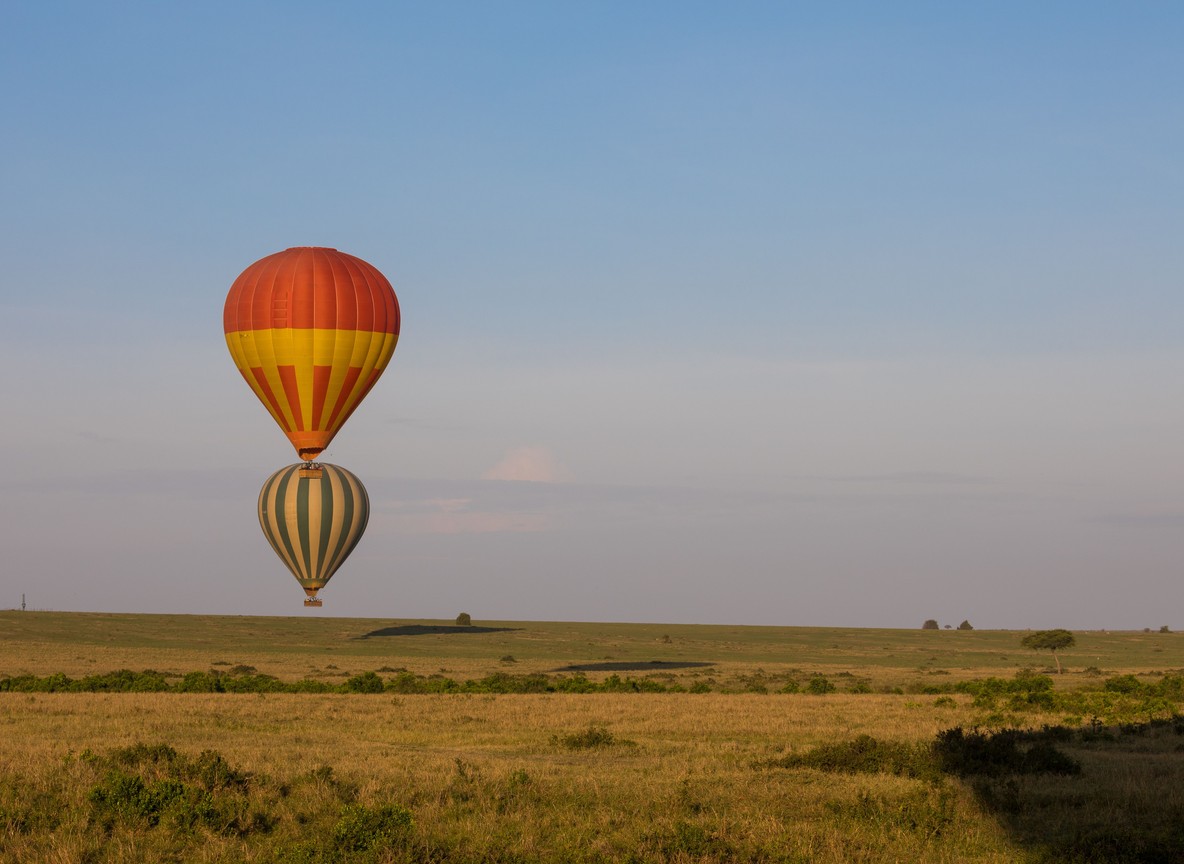
Mara Naboisho Conservancy borders the Masai Mara National Reserve on its eastern edge. It was established through a partnership between Maasai landowners and a group of camps, with each camp paying conservancy fees that are distributed directly to the community. The model creates a direct link between tourism revenue and community benefit, which is the conservation logic underlying the whole operation.
The conservancy covers approximately 50,000 acres of open savannah, riverine forest, and seasonal drainage lines. It sits adjacent to the Ol Kinyei Conservancy to the south, and the two together form a significant buffer zone on the eastern Mara ecosystem.
The key rules that distinguish Naboisho from the main Masai Mara National Reserve:
- Strict vehicle limits at wildlife sightings — typically two to four vehicles maximum per sighting, contractually enforced
- Night drives permitted throughout the conservancy
- Off-road driving allowed
- Guided bush walks available
- No minibuses or large group vehicles — all camps are small tented properties
These rules produce a qualitatively different experience from the national reserve, where vehicle limits at sightings are not enforced and large numbers of vehicles can gather at popular sightings.
Naboisho Camp: Location and Scale
Naboisho Camp is positioned within the conservancy with direct access to its game-rich areas. The camp is intentionally small — a limited number of tents means a low total guest count, which is consistent with the conservancy’s exclusivity philosophy.
The camp operates under the conservancy’s land-use agreement, which means game drives take place exclusively on Naboisho land. Access to the main Masai Mara National Reserve requires a separate park fee and a drive to the reserve boundary.
The Naboisho Conservancy’s eastern position in the Mara ecosystem means it sits in a zone that receives migration herds from July through October as the wildebeest move through from Tanzania. During migration season, the conservancy access to herds can be comparable to the national reserve, with the significant advantage of far fewer vehicles at sightings.
Camp Style and Accommodation
Naboisho Camp is a classic East African tented camp — canvas walls, wooden floors, en-suite bathrooms with hot water, and an open-air dining and lounge area. The camp’s design follows the Mara conservancy aesthetic: low-impact, positioned to minimise visual footprint, and oriented to connect guests to the surrounding landscape rather than insulate them from it.
Tent interiors are comfortable rather than elaborate. Beds are properly sized, bathrooms have hot showers, and evenings are spent around a shared fire. This is not a property competing on spa facilities or architectural extravagance. It is a property competing on wildlife access and the conservancy experience.
The conservancy fee is included in camp rates. This is worth noting when comparing costs with national reserve camps where conservancy fees are added on top of accommodation.
Wildlife Access and Activities
Game drives: Naboisho’s game drives take place on private conservancy land with vehicle limits enforced. This means sightings are genuinely exclusive — finding a leopard in Naboisho is not immediately followed by ten other vehicles radioing in. The ecosystem quality is the same as the adjacent national reserve; the experience of observing wildlife within it is different.
Night drives: Offered as a standard activity within the conservancy. Night drives access nocturnal species — African wild cat, porcupine, bushbuck, and occasionally lion and leopard on nocturnal hunts. Night drives are not available inside the Masai Mara National Reserve.
Guided bush walks: Walking safaris are permitted in Naboisho with a trained guide. A morning walking safari in the Mara ecosystem — tracking elephant, reading lion signs, approaching smaller wildlife on foot — is a fundamentally different experience from a vehicle-based game drive.
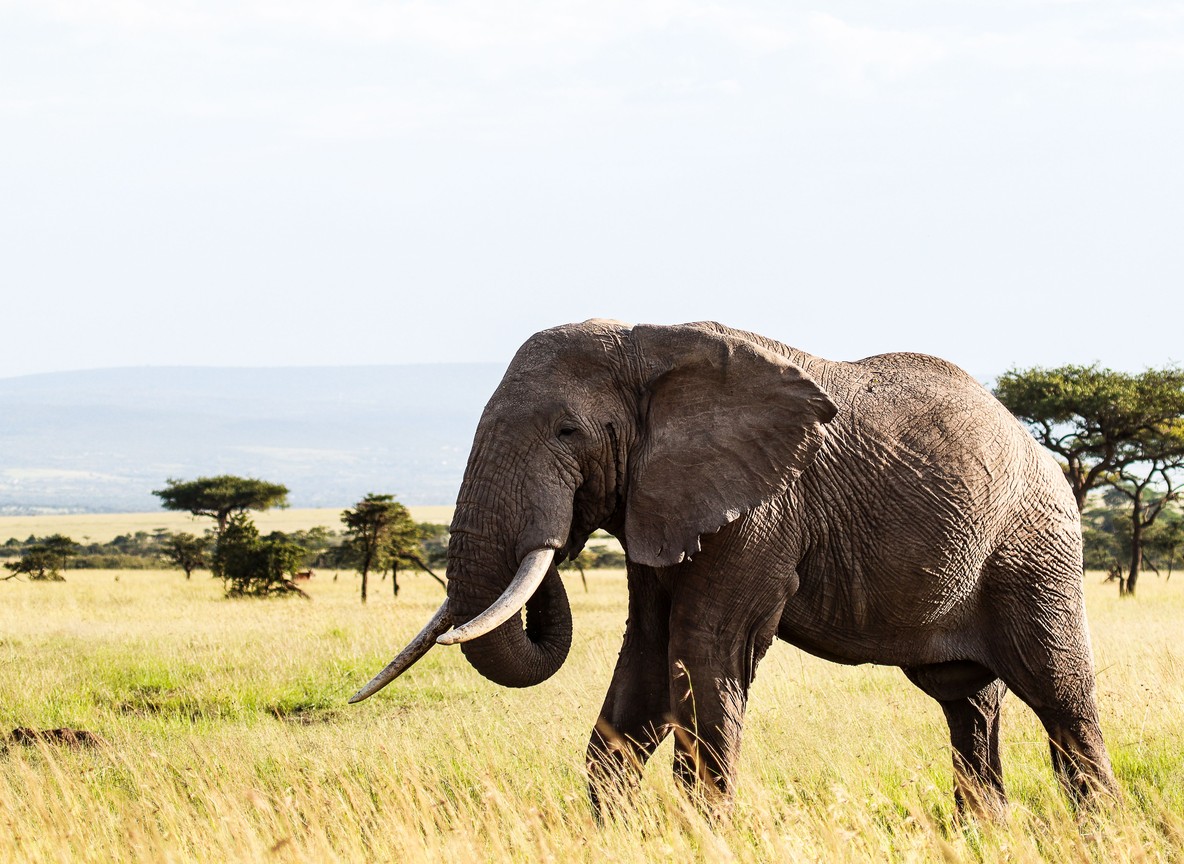
Wildlife resident in Naboisho: The conservancy supports the same species as the broader Mara ecosystem: lion, leopard, cheetah, elephant, buffalo, giraffe, zebra, hippo along the drainage lines, and over 450 bird species. The conservancy’s resident cheetah population is noted as being regularly active on the open plains.
Migration Season and Timing
Naboisho Conservancy receives Great Migration herds from approximately July through October as wildebeest move north from Tanzania. The crossing point for herds entering the national reserve via the eastern corridors passes through or adjacent to the conservancy. During peak migration months, large herds are visible within the conservancy itself, not just in the national reserve.
Outside migration season, the conservancy operates year-round with strong resident wildlife. January and February offer good predator activity with shorter grass and excellent visibility. The green season (April-May) has the lowest rates and the most private experience.
Who Naboisho Camp Suits
The camp suits travellers who:
- Want exclusive game drives with very few other vehicles
- Are interested in night drives and guided bush walks
- Place quality of wildlife encounter above camp luxury or facilities
- Plan to stay at least three nights — the conservancy model is not well-suited to single-night visits
- Are travelling to the Mara outside peak migration season and want to avoid the main reserve’s vehicle concentration
It is less suited to travellers who:
- Want direct access to the Mara River and the iconic crossing points without additional driving to the national reserve
- Prioritise spa facilities or extensive infrastructure
- Want to cover large distances across the main reserve in a single game drive
Naboisho vs Mara North vs Olare Motorogi
Naboisho sits alongside Mara North and Olare Motorogi as the three main Mara conservancies that travellers compare. The key distinction:
- Naboisho: Eastern Mara, adjacent to Ol Kinyei, strong cheetah activity, good for combining with national reserve access
- Mara North: Northern Mara ecosystem, larger conservancy, furthest from Talek but close to the Mara River and prime migration territory
- Olare Motorogi: Central eastern position, some of the most productive lion territory in the Mara, close to the main reserve boundary
All three offer the same conservancy model — vehicle limits, night drives, walking — but their positions in the ecosystem and the specific wildlife populations within them differ. Travellers whose priority is Mara River crossing access during migration lean toward Mara North or the main reserve; travellers whose priority is exclusive encounters with resident predators find Naboisho and Olare Motorogi both deliver that.
Prefer a different route, budget, or travel style? This plan can be adapted to fit.
Customise Your Trip